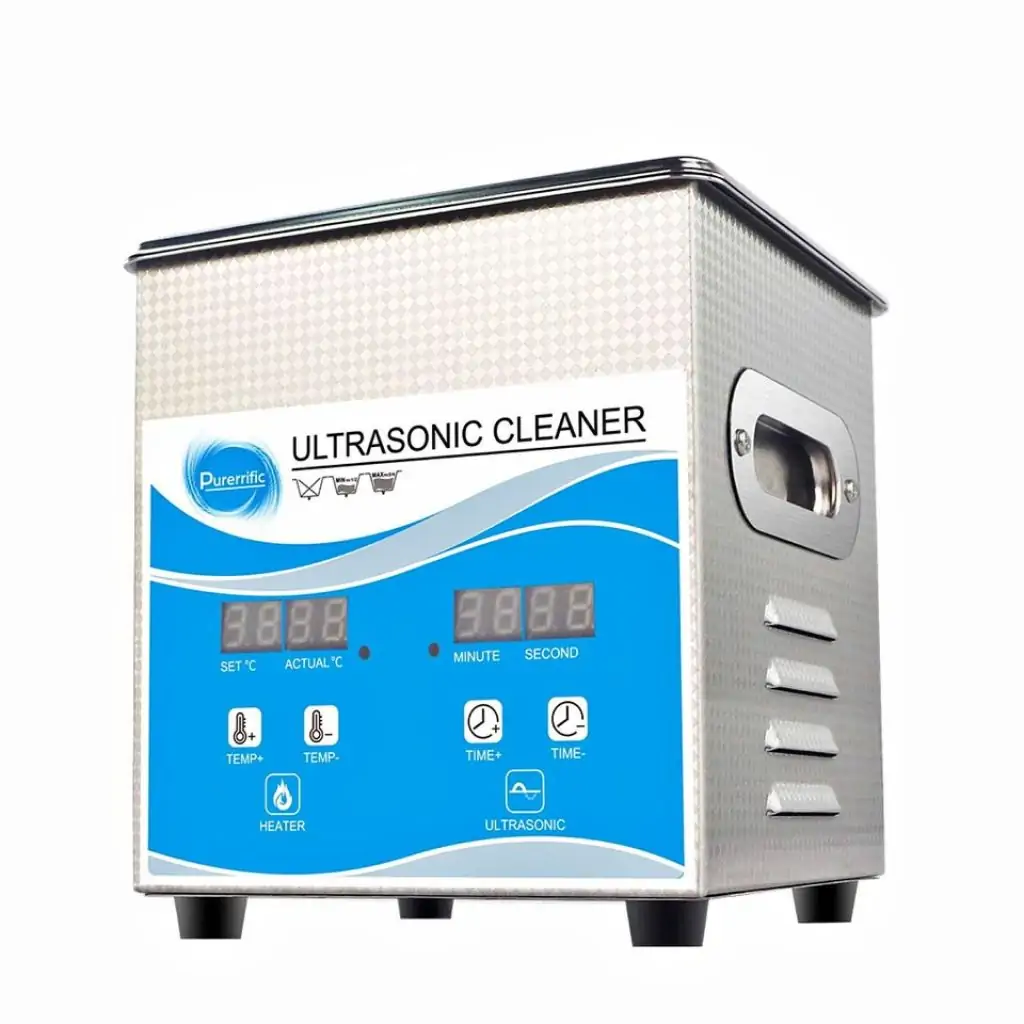
We hope you love the products we recommend and just so you know that as an Amazon Associate CoyoteHunting.org may earn from qualifying purchases.
Best Ultrasonic Gun Cleaner Solution for Guns
The wrong liquid can ruin an otherwise sensible ultrasonic-cleaning setup.
That is why the best ultrasonic gun cleaner solution for guns is not a random household shortcut, not a brass-only formula, and definitely not a flammable solvent.
It is a water-based ultrasonic solution made for gun parts, used the right way, followed by proper drying and lubrication.
That is the practical answer most buyers actually need.
Quick answer
If you want the short version:
- use a water-based gun-parts ultrasonic solution for gun parts
- use a brass/case-cleaning solution for brass
- do not use flammable solvents in the tank
- do not assume homemade mixes are equivalent to purpose-made gun solutions
- always dry and lubricate parts after ultrasonic cleaning
This is not optional detail. It is the core workflow.
The biggest mistake: treating all ultrasonic solutions like the same job
They are not the same job.
Gun-parts solution
This is for:
- carbon
- grease
- oil
- powder residue
- firearm-part fouling
Brass/case solution
This is for:
- tarnish
- oxidation
- case cleaning
- cartridge-case residue
That difference matters.
A cleaner that makes sense for brass is not automatically the right answer for bolts, slides, trigger parts, or finished firearm components.
What kind of solution should you use for gun parts?
The safest general answer is:
Use a water-based ultrasonic cleaning solution formulated for gun parts.
The right solution should ideally be:
- water-based
- non-flammable
- made for ultrasonic cleaners
- intended for gun parts or firearm residue
- compatible with the part material and finish
- used according to the product directions
This is the cleanest high-trust approach because it avoids both of the big errors buyers make:
- using the wrong chemistry
- improvising with random household liquids
Why gun-parts solution is different from brass solution
This deserves its own section because too many pages blur it.
Gun-parts solution exists to deal with:
- carbon fouling
- grease
- oil
- powder residue
- grime in small recesses
Brass solution exists to deal with:
- tarnish
- oxidation
- carbon inside and outside cartridge cases
- case-cleaning prep before reloading
That means the smart rule is simple:
Use the solution that matches the job, not the bottle you happen to have nearby.
What should never go in an ultrasonic cleaner?
This is where buyers need clear guidance, not vague internet folklore.
Hard no: flammable solvents
Do not use flammable solvents in an ultrasonic cleaner.
That means avoiding things like:
- gasoline
- acetone
- mineral spirits
- alcohol
- kerosene
- similar risky solvent shortcuts
Also treat these with strong caution or keep them out
- unknown household chemical mixes
- aggressive chemical shortcuts without clear compatibility guidance
- optics
- electronics
- wood
- leather
- delicate finishes unless clearly approved
- loaded ammunition or primers
An ultrasonic cleaner is not a place to experiment casually with chemistry.
Are homemade mixes worth it?
Usually, they are more tempting than they are useful.
Why people try them:
- they already have a household cleaner on hand
- they want to save money
- internet recipes make it sound easy
Why they are risky:
- household formulas vary
- some contain additives that are bad for finishes
- some leave residue
- some increase rust risk
- some are too aggressive for firearm parts
- some online recipes cross into unsafe solvent territory
The smart editorial stance is:
A mild water-based cleaning mix may sound harmless, but for gun parts, the safest recommendation is still to use a purpose-made ultrasonic gun-parts solution and follow the label directions.
What the solution actually needs to do
A good ultrasonic gun-parts solution should help with:
- carbon fouling
- oil and grease removal
- powder residue
- residue in hard-to-reach recesses
- rinseability or manageable cleanup
- reasonable finish compatibility when used correctly
The job is not to be the strongest-smelling liquid in the room.
The job is to clean without creating new problems.
Cleaning is a 3-step workflow, not a bottle choice
This is one of the biggest information-gain opportunities in the whole cluster.
Step 1: Clean with the right solution
Use a purpose-made water-based gun-parts ultrasonic solution.
Step 2: Rinse and dry correctly
If the product directions call for rinsing, do it.
Then dry the parts thoroughly and blow moisture out of channels, holes, and recesses.
Step 3: Lubricate and protect
Ultrasonic cleaning can strip protective oil.
That means dry parts often need:
- gun oil
- corrosion inhibitor
- an appropriate post-clean lubrication step
This is the part buyers skip, and it is the part that leads to rust-risk regret.
What buyers usually get wrong
Using brass cleaner on gun parts
This is one of the most common logic failures.
Thinking water-based means safe for everything
Water-based is better than flammable shortcuts, but it does not mean universal compatibility.
Using stronger concentration than needed
More chemical strength is not automatically better.
Reusing filthy solution too long
Dirty baths can stop being useful fast.
Ignoring finish and material compatibility
Steel, stainless, anodized aluminum, bare aluminum, polymers, and coated parts do not all deserve the same assumptions.
Leaving parts dry after cleaning
This is one of the easiest ways to turn clean into corrosion-prone.
Solution choice matrix
| Cleaning job | Better solution type | Avoid |
|---|---|---|
| Carbon/oil on gun parts | gun-parts ultrasonic solution | brass-only cleaner |
| Brass cases | brass/case ultrasonic solution | gun-parts degreasing workflow |
| Heavy grease | firearm-safe water-based degreasing solution | flammable solvent |
| Post-clean protection | gun oil / rust preventive / ultrasonic gun lube | leaving parts dry |
| Mixed unknown parts | manufacturer-compatible mild solution | random household mix |
Material and finish caution checklist
Before cleaning, stop and check what the part actually is.
Ask:
- is it blued steel?
- stainless steel?
- anodized aluminum?
- bare aluminum?
- polymer?
- coated or painted?
- plated?
- part of an optic or electronic item?
Then match the solution to the material instead of assuming one bottle covers everything.
FAQ
What is the best type of ultrasonic solution for gun parts?
A water-based ultrasonic cleaning solution made for gun parts is the safest general answer.
Can I use the same ultrasonic solution for brass and gun parts?
Do not assume so. Brass/case-cleaning and gun-parts cleaning are different jobs and often call for different formulas.
Can I use household cleaners in an ultrasonic gun cleaner?
That is a risky shortcut. Some mild mixes may sound harmless, but purpose-made gun-parts solutions are the safer recommendation for firearms.
Do I need to oil parts after ultrasonic cleaning?
Usually, yes. Cleaning can remove protective oils, so drying and lubrication should be treated as part of the process.
Final decision rule
For gun parts:
- use a purpose-made water-based ultrasonic gun-parts solution
- do not use a brass-only cleaner for gun-part jobs
- do not use flammable solvents
- dry parts thoroughly
- lubricate them after cleaning
That is the workflow that protects both the parts and the purchase decision.
For the rest of the cluster, use these next: